


 509-410-4721
Quick answer: Home insurance will usually cover a roof leak when a sudden event caused it, like wind, hail, a falling tree, or the weight of snow and ice. It usually won't cover a leak caused by an old, worn-out roof, a slow leak that went on for weeks, or repairs that were put off. How much it pays then depends on your roof's age, your deductible, and whether your policy pays replacement cost or actual cash value.
A water stain spreading across the ceiling is stressful enough without wondering who pays for it. If you're asking whether home insurance will cover a roof leak, the honest answer is that it depends on why the roof started leaking. Insurance is built to pay for sudden accidents, not for a roof wearing out.
Below we walk through how that line usually gets drawn in Washington, what an adjuster looks for, and the steps that protect your claim. If water is coming in right now, skip to what to do first, or see our roof leak repair page.
Covered or Not: It Comes Down to the Cause
Most homeowners policies cover damage from a "peril" that happens suddenly and by accident. A roof leak itself isn't a peril. It's the result of something else. So the question your insurance company asks is: what made the roof start letting water in, and when did it happen?
| Usually covered | Usually not covered |
|---|---|
| Wind tears off or lifts shingles in a storm | Shingles worn out from age and sun |
| Hail cracks or bruises the roofing | A slow leak that went on for weeks or months |
| A tree or large limb falls on the roof | Cracked pipe boots or flashing that wore out over time |
| Snow and ice damage the roof | Damage from skipped maintenance, like clogged gutters |
| Wind-driven rain gets in through storm damage | New damage because repairs were delayed after a storm |
Every policy is different, so treat this as a guide, not a promise. Your policy's wording and your adjuster's findings decide your claim.
Roof Leaks Insurance Usually Covers
The Washington State Office of the Insurance Commissioner (OIC) says homeowners insurance usually covers damage from wind, wind-driven rain, falling trees, and snow and ice. Here is how each one can open an Eastern Washington roof to water:
- Wind. Strong gusts across the Columbia Basin can lift shingle tabs, break the seal underneath, or tear shingles off entirely. Once that happens, the next rain runs straight under the roofing.
- Hail. Hail can crack shingles, knock off the protective granules, and dent metal flashing and vents, opening paths for water.
- Snow and ice. Heavy snow loads and ice can damage roofing, and ice at the eaves can push meltwater back under the shingles.
- Falling trees and limbs. If a tree comes down on your roof in a storm, the roof repair is usually covered. The OIC notes that tree removal is usually only covered when the tree falls on your home or another insured structure.
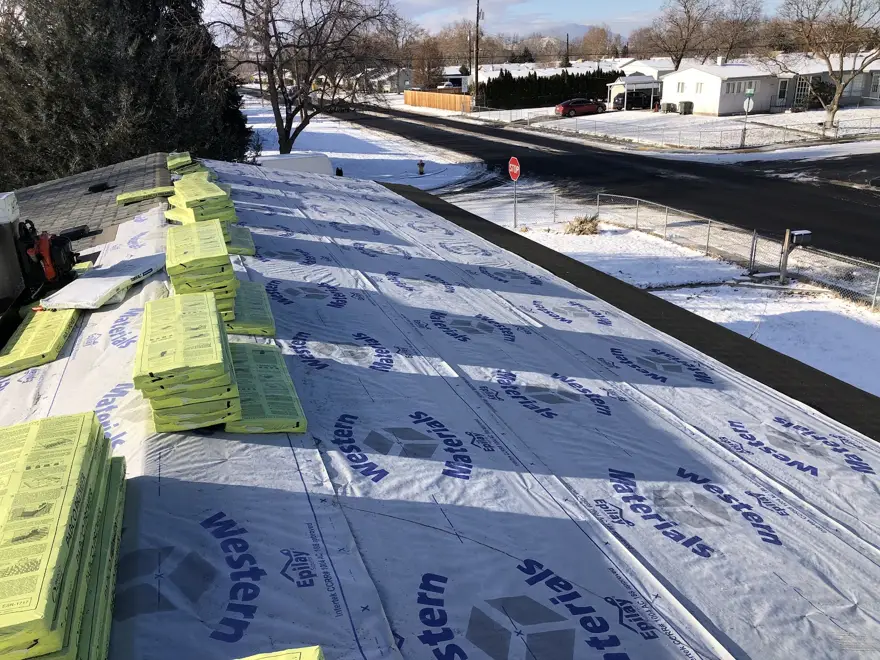
In each case, the key is that the damage happened at a specific time from a specific event. That's why the date of the storm, and photos taken soon after, matter so much.
Roof Leaks Insurance Usually Doesn't Cover
Insurers treat a roof that has simply reached the end of its life as a maintenance problem, not an accident. Leaks that are usually turned down include:
- Old age and wear. Shingles that are brittle, curling, or bald from years of high-desert sun.
- Slow, ongoing leaks. The OIC says most homeowners policies don't cover gradual leaks, including damage that develops over more than a couple of days.
- Worn parts. Rubber vent boots that crack in the sun and flashing that works loose over many seasons are usually maintenance, not a covered loss.
- Neglect. Clogged gutters, missing shingles that were never replaced, and similar problems left alone.
- Delay after a storm. Even if the storm damage is covered, the OIC warns that insurance won't cover water damage if you delay repairs. Your policy expects you to protect the home from further damage.
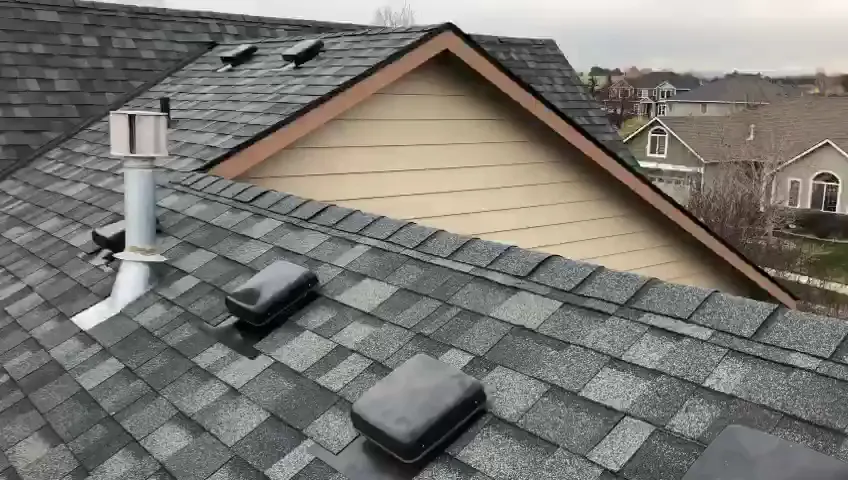
If your roof is older and you're not sure whether the leak is from a storm or from age, an inspection can tell you before you file. A claim on a loss that isn't covered can still go on your record.
Does Homeowners Insurance Cover the Water Damage Inside?
Often, yes, if the leak itself came from a covered event. Wet drywall, ceiling stains, soaked insulation, and damaged flooring are usually handled under the same claim as the storm damage to the roof. If the leak came from wear and tear, the interior damage is usually not covered either.
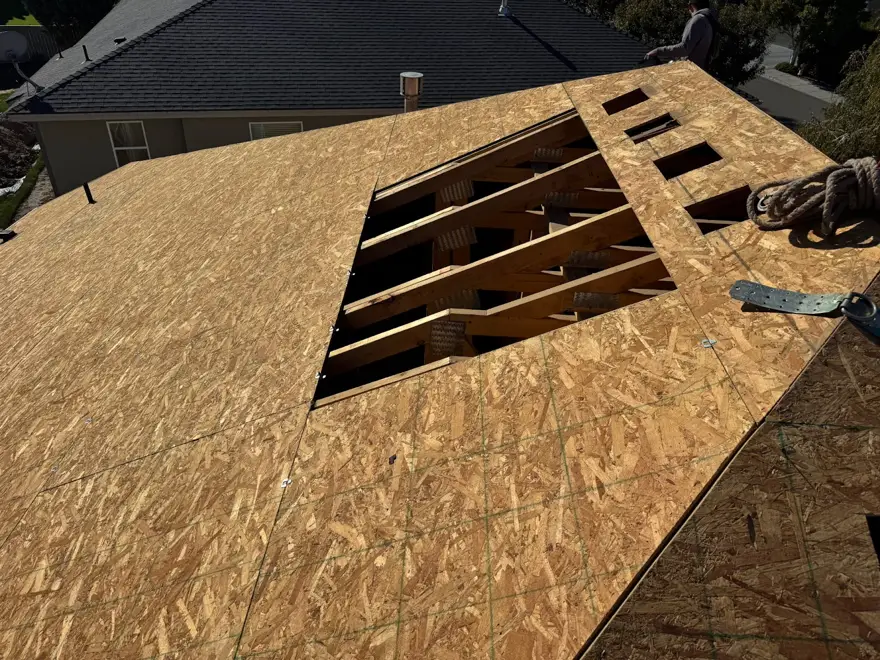
Mold is narrower. The OIC says many policies offer limited mold coverage, and only when the mold results from a covered loss. That's one more reason to dry things out and get the roof fixed quickly.
How Much Will Insurance Pay?
An approved claim doesn't always mean a new roof at no cost. Three things shape the check:
Replacement cost or actual cash value
A replacement cost policy pays what it costs to repair or replace the damaged roofing today. An actual cash value (ACV) policy subtracts depreciation for the roof's age.
The Insurance Information Institute explains that on an actual cash value basis, an old and worn roof can mean a large deduction. It also notes that some insurers only offer ACV coverage on older roofs.
You can find which one you have in your policy's "Loss Settlement" section. In Washington, the OIC says your insurer can't depreciate labor costs when working out actual cash value.
Your deductible
You pay the deductible first. Some policies have a separate deductible for wind or hail, sometimes set as a percentage of your home's insured value rather than a flat amount, so check yours. If the repair costs only a little more than your deductible, the OIC suggests weighing whether to pay for it yourself, since filing a claim may raise your premium.
How much of the roof is damaged
Many storm claims cover a repair to the damaged section rather than a full replacement. Whether a full roof is warranted depends on how widespread the damage is and what your policy says, which is why a thorough inspection with photos of every damaged area matters before the adjuster's visit.
What to Do When Your Roof Starts Leaking
- Protect the inside. Put down buckets and plastic, move furniture and belongings, and turn off power to any light fixture that's getting wet.
- Take photos and video. Get the ceiling, the wet areas, and anything damaged. If you can see storm damage on the roof from the ground, photograph that too. Don't climb on a wet roof.
- Get a temporary cover on the roof. A tarp over the damaged area stops more water getting in. The OIC advises covering leaking roofs when it's safe and keeping receipts for temporary repairs, such as tarps.
- Call your insurance company or agent. Ask what's covered before you file, and write down your claim number and the adjuster's name.
- Hold off on permanent repairs. The OIC recommends not making permanent repairs until your insurer has seen the property and you've agreed on the repairs.
- Have a roofer inspect it. A roofer can trace where the water is really getting in (it often shows up inside several feet from where it enters) and document the damage, so you and the adjuster are looking at the same evidence.
Water coming in right now?
Call Roofing Plus LLC at 509-410-4721. We can tarp the area to stop more water getting in and come back for the permanent repair. See our emergency roof repair page for more.
Washington Claim Rules Worth Knowing
Washington sets timelines your insurance company has to follow. According to the OIC's guide to filing a homeowner claim, here is what to expect after you file:
| When | What your insurer has to do |
|---|---|
| Within 5 business days | Approve the scope of emergency work (like tarping or drying out) if your policy requires you to protect the property from further damage. |
| Within 30 days of filing | Inspect the damage to your home. |
| Within 30 days | Accept or deny the claim, or tell you in writing that it needs more time and why. |
| Every 30 days after that | Send you another written notice for as long as the delay continues (WAC 284-30-370). |
| If you disagree on the amount | You're entitled to ask for an appraisal. |
If you run into trouble with a claim, the OIC's consumer advocacy line is 800-562-6900 (8:30 a.m. to 4:30 p.m., Monday through Friday).
Before you sign anything with a contractor
After a big storm, out-of-town crews often knock on doors. The OIC warns that if a contractor asks you to sign an "assignment of benefits," it could let them negotiate and settle your claim with the insurance company without your approval. Talk to your insurer before signing one, check that any contractor is licensed and insured in Washington, and get every promise in writing.
How We Help With Roof Leak Claims
Roofing Plus LLC works directly with insurance companies on storm and wind claims. We find the source of the leak, document the damage with photos for your adjuster, and handle the repair once the claim is settled.
If the leak turns out to be from age rather than a storm, we'll tell you that straight, so you can decide on a roof repair or plan for a roof replacement without a denied claim on your record. Not sure what you're dealing with? Start with a roof inspection. Estimates are free.
We serve homeowners across the Tri-Cities and surrounding Eastern Washington towns, including:
- Kennewick
- Richland
- Pasco
- West Richland
- Benton City
- Prosser
- Finley
- Burbank
- Grandview
- Mabton
- College Place
- Wapato
- Mattawa
- Warden
Sources (checked October 22, 2026). This article is general information, not legal or insurance advice. Your policy and your insurer decide your claim.
- Washington State Office of the Insurance Commissioner: Filing a homeowner insurance claim; Leaks, water damage, and mold; Winter weather and insurance coverage
- Washington Administrative Code: WAC 284-30-370
- Insurance Information Institute: Am I covered?